Identify the designations affecting the actual parcels
Request the site code, name, map and affected parcel list. A property can sit partly within a designated area, and several forms of protection can overlap. Keep a dated map as a starting point and obtain confirmation of the relevant boundaries.
Do not treat Natura 2000, an espace boisé classé, a nature reserve and a site classé as interchangeable. List each designation and its responsible authority separately. The CNPF/OFB guide provides a useful framework for those checks.
Start with intended activities, not a general concern
Describe concrete operations: retain stands, harvest selected trees, maintain a track, establish a stacking area or renew part of the woodland. The ministry explains that activities compatible with conservation objectives can take place in Natura 2000 sites; some operations require an assessment of effects.
Prepare a one-page brief for each operation central to your budget. State its position, area, timing, proposed equipment and remaining unknowns. A specific request is more useful than asking whether forestry is allowed in the abstract.
Documents to gather before negotiating
| Document | What it should clarify |
|---|---|
| Site map and record | Extent and identified conservation interests |
| Objectives document (DOCOB) | Site-specific management direction |
| Management plan and approvals | Proposed operations and applicable framework |
| Contracts, charters, funding | Commitments already made by the seller |
| Correspondence with authorities | Written answers about the specific project |
Request complete versions rather than a cover sheet. An appendix or approval decision may matter more than the wording in the sales listing.

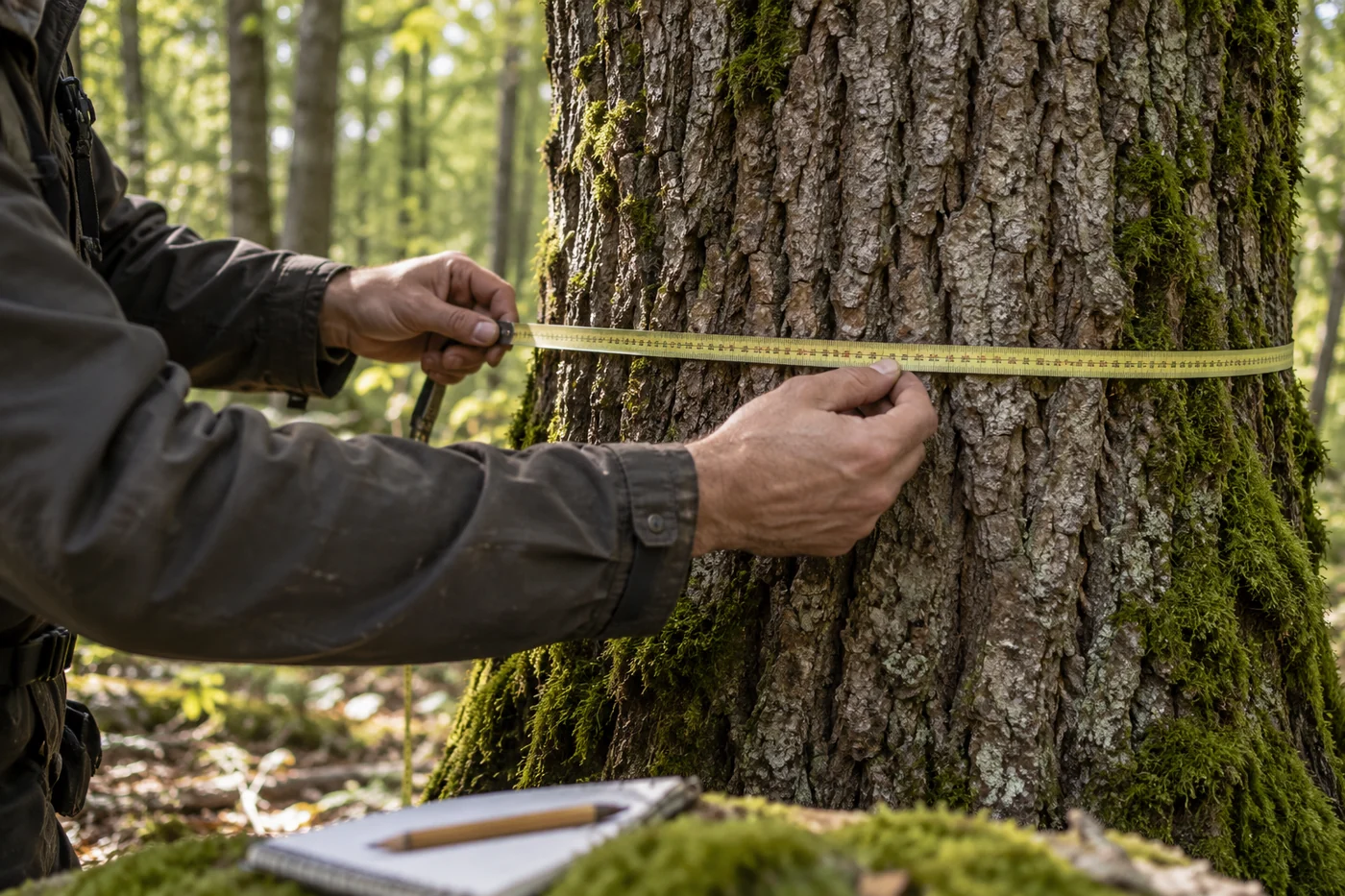
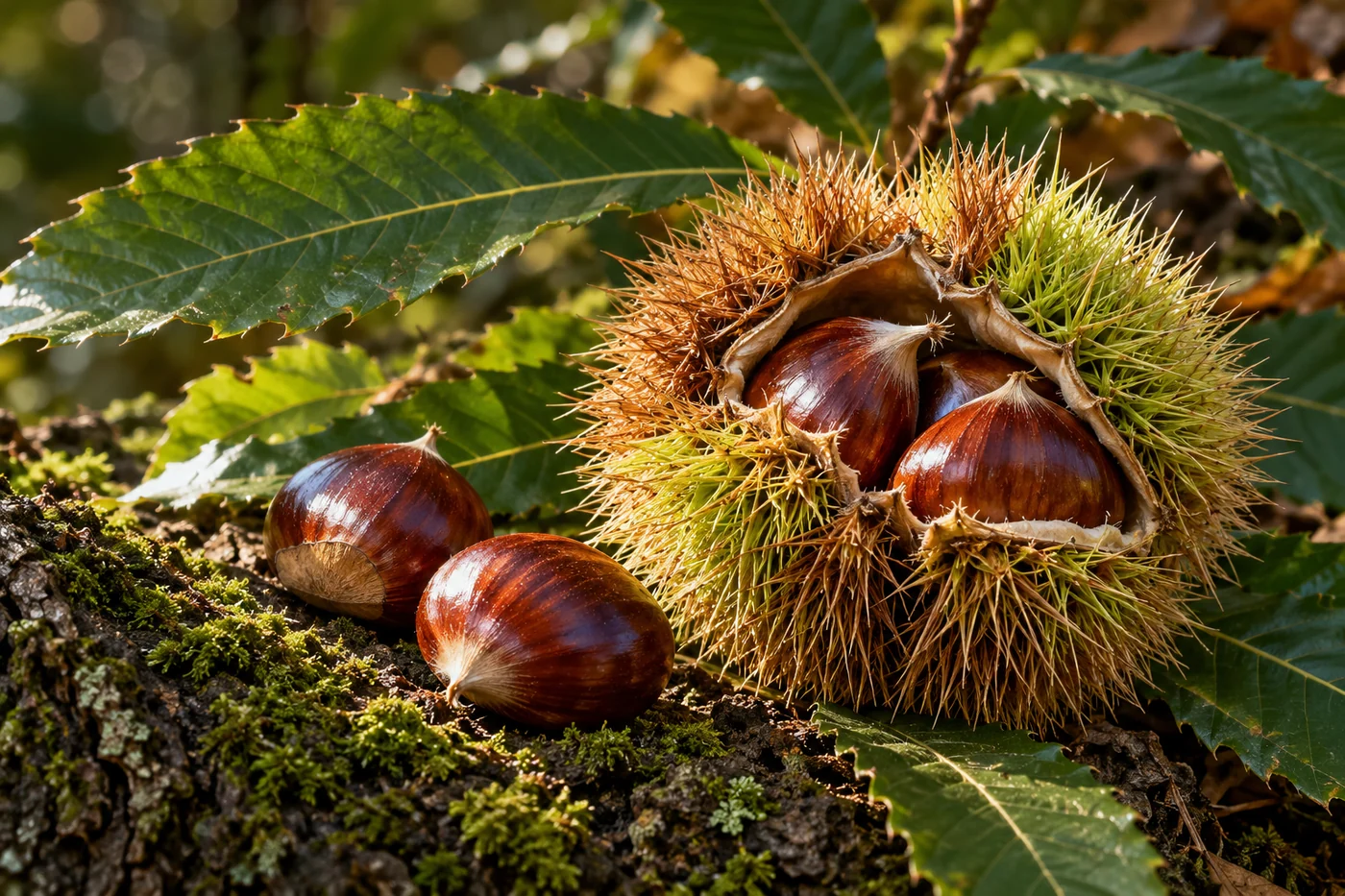
The landscape gives context; value depends on the selected land, its trees and access conditions.
Editorial illustration · not a depiction of an analysed propertyTurn constraints into specific budget questions
Avoid inventing a 10% or 20% discount. If a proposed track must move, obtain a price for an acceptable route. If an operation needs different timing, examine the effect on quotations and cash flow. If trees must be retained, establish how that changes the management scenario.
Then compare properties subject to genuinely similar conditions. Conservation value can appeal to a particular buyer, but that personal benefit should remain separate from assumed financial income.
Do not count funding before it is confirmed
Ask the seller for signed agreements, payments received, unfinished actions and outstanding applications. Have the notaire and relevant organisation explain what a change of owner means for those arrangements.
In the budget, distinguish funding confirmed in writing from an opportunity still being assessed. Do not credit a works subsidy until its beneficiary, conditions and timetable are clear. A national brochure does not establish this parcel’s eligibility.
A visit and three useful contacts
With permission, use the site visit to locate proposed operations and areas needing protection. The site coordinator can explain conservation objectives, a forestry professional can assess management options, and the notaire can examine commitments attached to the purchase.
WoodWorth documents the scope and valuation context; it does not grant environmental permissions. Keep a separate list of resolved issues and confirmations still needed before making a firm commitment.
COMMON QUESTIONS
A few things to clear up.
Can Natura 2000 woodland be harvested?
Activities can be possible within the applicable rules and site objectives. Have each proposed operation, management document and required procedure checked with the appropriate bodies.
Does Natura 2000 always reduce woodland prices?
There is no universal percentage. Examine effects on the actual project, costs and comparable sales rather than assigning a discount to the designation alone.
Does a WoodWorth report approve my planned works?
No. It is a documentary analysis of the selected parcels. Harvesting, a track or other works need their own appropriate regulatory and technical checks.
Sources and dates
Figures retain their reference year. Worked examples are educational; property-specific amounts require verification.
- Ministère de la Transition écologique — Réseau européen Natura 2000Consulté / Accessed 19 October 2026
- CNPF / OFB — Zonages de protection et gestion forestière — guide novembre 2025Consulté / Accessed 19 October 2026
Sources accessed 19 October 2026. Independent sources; no partnership implied.
This guide provides documentary context. For a binding decision, have field, legal or insurance issues checked by the relevant professional.