Define the property being offered
List the commune, cadastral section, parcel numbers and every parcel included. Clarify whether you are selling an existing parcel, several parcels or land that must first be separated from a larger property. For a proposed division, ask the notaire about additional steps before advertising an area. Check who can sell the relevant rights. An apparently simple listing may involve an unfinished inheritance or multiple owners, so establish the position before arranging viewings.
Request an itemised budget in euros
Notaires de France distinguishes taxes, notarial remuneration and disbursements, including fixed and proportional elements. Costs can therefore represent a substantial share of a low purchase price. Ask for a forecast specific to this sale. Identify intermediary charges, any boundary work and which party pays each item. A percentage commonly quoted for a house purchase is not a quotation for this woodland transaction.
Explain what the buyer could actually use
Plan a viewing that shows the entrance, slope and known boundaries. Separate pedestrian access from a legally established and usable route for removing timber. Identify existing contracts or uses requiring review. If marketing the wood for recreation, do not imply that a cabin or permanent parking will be allowed. A clear account of the outstanding checks is more useful to a serious buyer than an attractive use that nobody has verified.

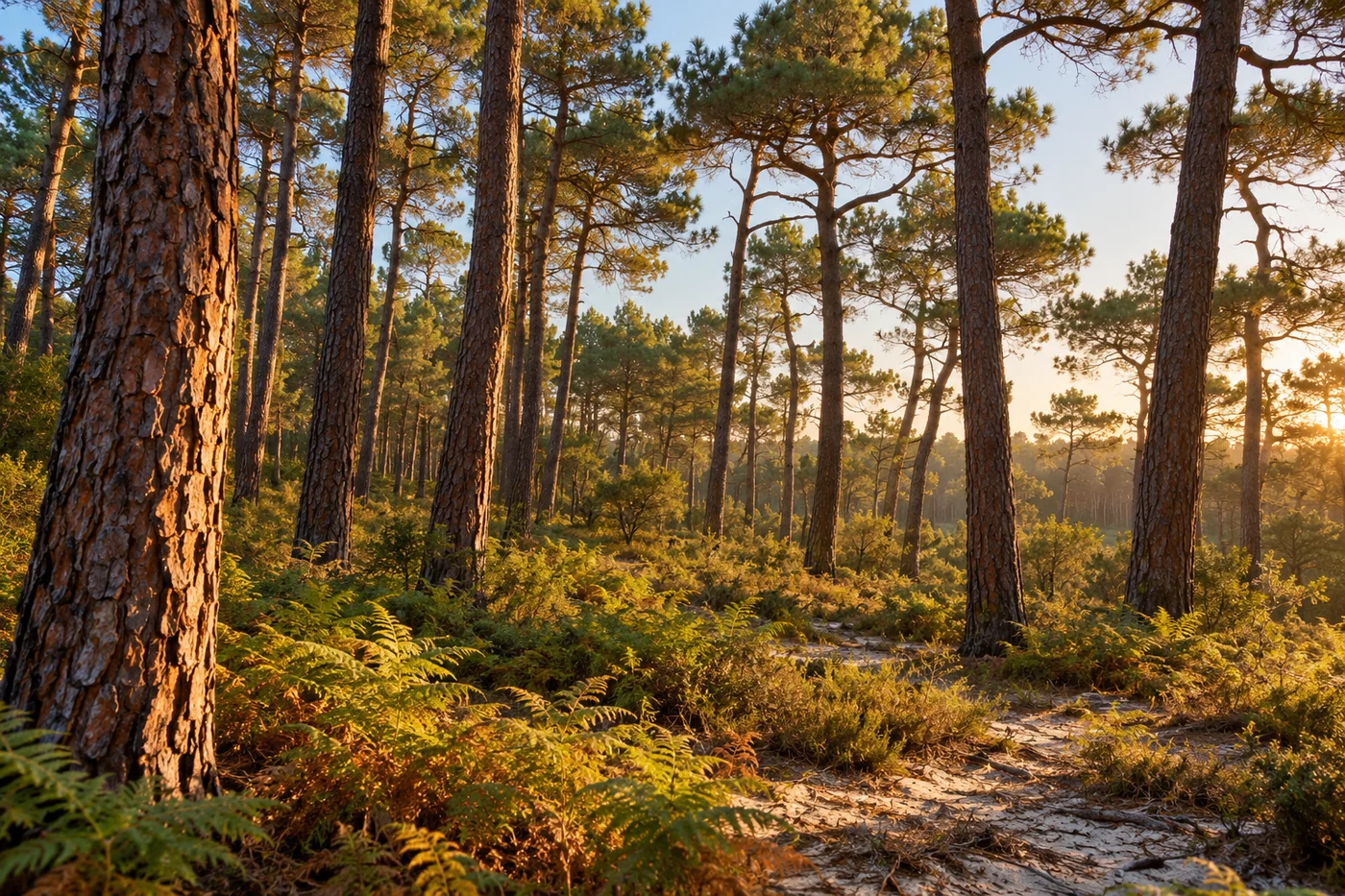
The landscape gives context; value depends on the selected land, its trees and access conditions.
Editorial illustration · not a depiction of an analysed propertyCheck preference and pre-emption before committing
The CNPF explains preference and pre-emption rights affecting some woodland sales. A property recorded as woodland and totalling less than four hectares may be subject to specific rules, with exceptions and competing rights. Give the notaire the complete lot and proposed terms. Merely living next door does not guarantee a preferential right or a completed purchase. Avoid setting a completion date before the required procedure is understood.
Compare net proceeds and conditions
Record each offer’s price, included parcels, conditions, stated funding, seller’s remaining costs and proposed timetable. Do not add standing timber value to an offer already covering both land and trees. If someone requests harvesting before completion, establish how it changes the property and expenditure involved. A higher offer relying on unverified access is not directly comparable with a documented offer. Ask for clarification before treating headline prices as equivalent choices.
Hand over a compact, complete file
Prepare available deeds, a readable map, access documents, dated photographs, management information and a list of unresolved issues. Keep written correspondence and have commitments reviewed before signing. Public-data market references can support a price discussion, but cannot establish saleable timber value or legal boundaries. Where a professional check would be significant relative to the sale price, agree its scope before commissioning it. The aim is to resolve the questions that actually affect this transaction.
COMMON QUESTIONS
A few things to clear up.
Does a small wood always command a higher price per hectare?
No. Location, access and the available buyers all matter. A modest total price can translate into a high price per hectare without establishing a comparable value for other woodland.
Does an adjoining owner have to buy my woodland?
No. Practical interest or a possible preference right creates no obligation to buy. The legal conditions and procedure must be checked for the exact property being sold.
Can several small woodland parcels be sold together?
This is an option to discuss with the notaire. It changes the property offered, the costs to establish and the assessment of applicable rights. Also consider whether dispersed parcels appeal to the same buyer.
Sources and dates
Figures retain their reference year. Worked examples are educational; property-specific amounts require verification.
- CNPF — Achat et vente de forêt et parcelles boiséesConsulté le 19 octobre 2026
- CNPF Nouvelle-Aquitaine — Droits de préférence et de préemptionConsulté le 19 octobre 2026
- Notaires de France — Financement achat immobilier : frais d’acquisition, frais d’acte de prêtConsulté le 19 octobre 2026
Sources accessed 19 October 2026. Independent sources; no partnership implied.
This guide provides documentary context. For a binding decision, have field, legal or insurance issues checked by the relevant professional.