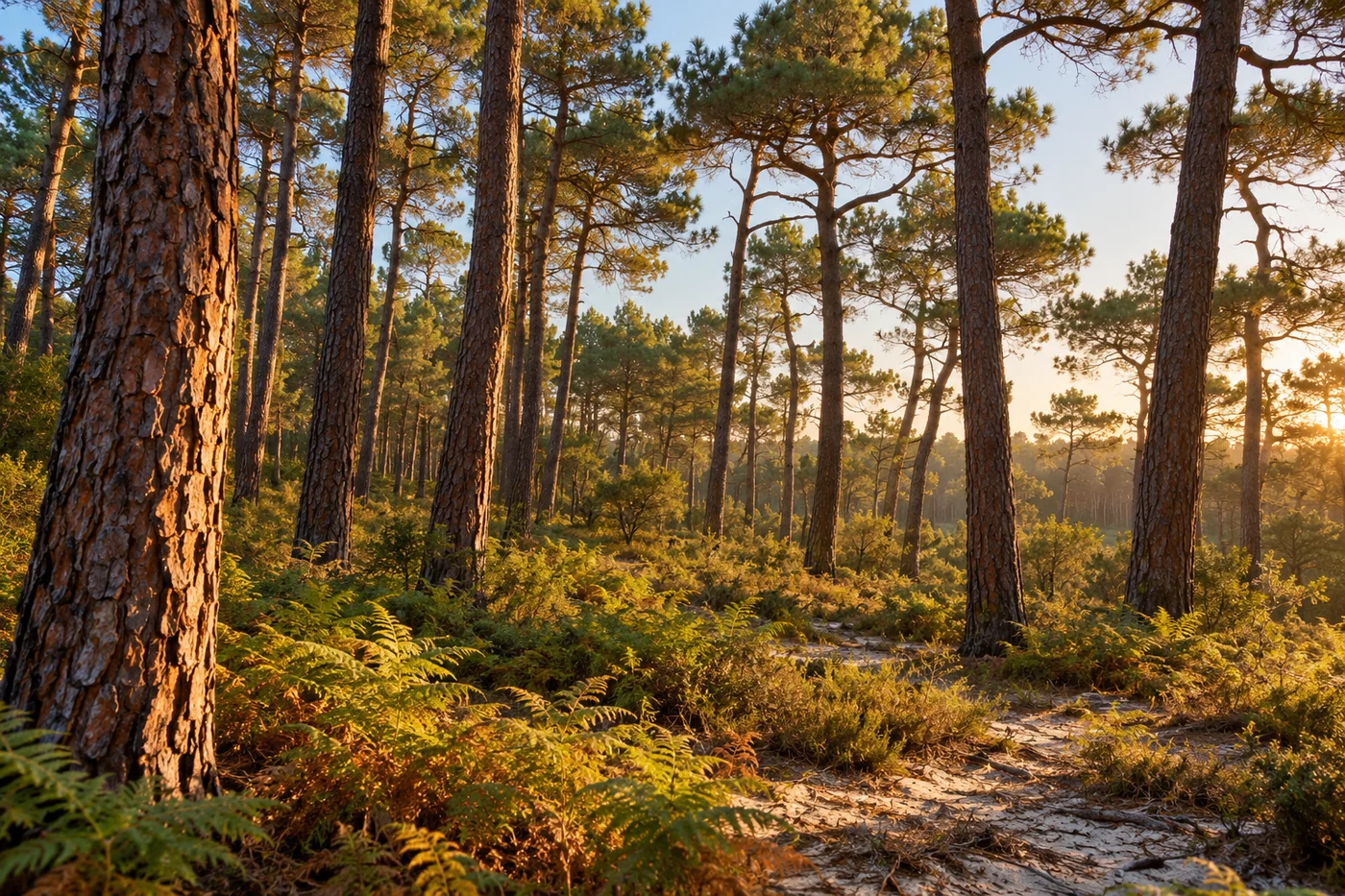
Start with the regime and parcel scope
Hunting arrangements vary across France. CNPF Grand Est describes general-law arrangements, approved communal hunting associations and local rules. Do not assume that a buyer can organise every aspect freely from completion.
Match the lease and its plans to the parcels actually being sold. An agreement may include other land retained by the seller; equally, advertised income may relate to a larger estate. Ask the notaire what accompanies the proposed transfer.
Prepare a structured lease summary
- Parties and scope: who signed, which parcels and which rights?
- Term: commencement, expiry, renewal and notice arrangements to verify.
- Income: amount, any indexation, due dates and recent payments.
- Use: access, parking, installations, guests and permitted activities.
- Works: maintenance obligations, permissions and coordination with harvesting.
- Responsibilities: insurance, incident reporting and contacts.
This summary prepares the discussion; it does not replace legal examination. Keep amendments and correspondence that change the interpretation of the original agreement.
Compare gross receipts with net income
Request actual receipts for the recent periods available. Separate hunting payments from other income, then list costs retained by the landlord, promised works and any unpaid periods.
A hypothetical example: assumed annual rent of €1,000 with €300 of specific expenses leaves €700 before tax and other costs. This is neither a rental tariff nor a forest investment yield. Term, rights and local circumstances prevent it from becoming a universal per-hectare price.
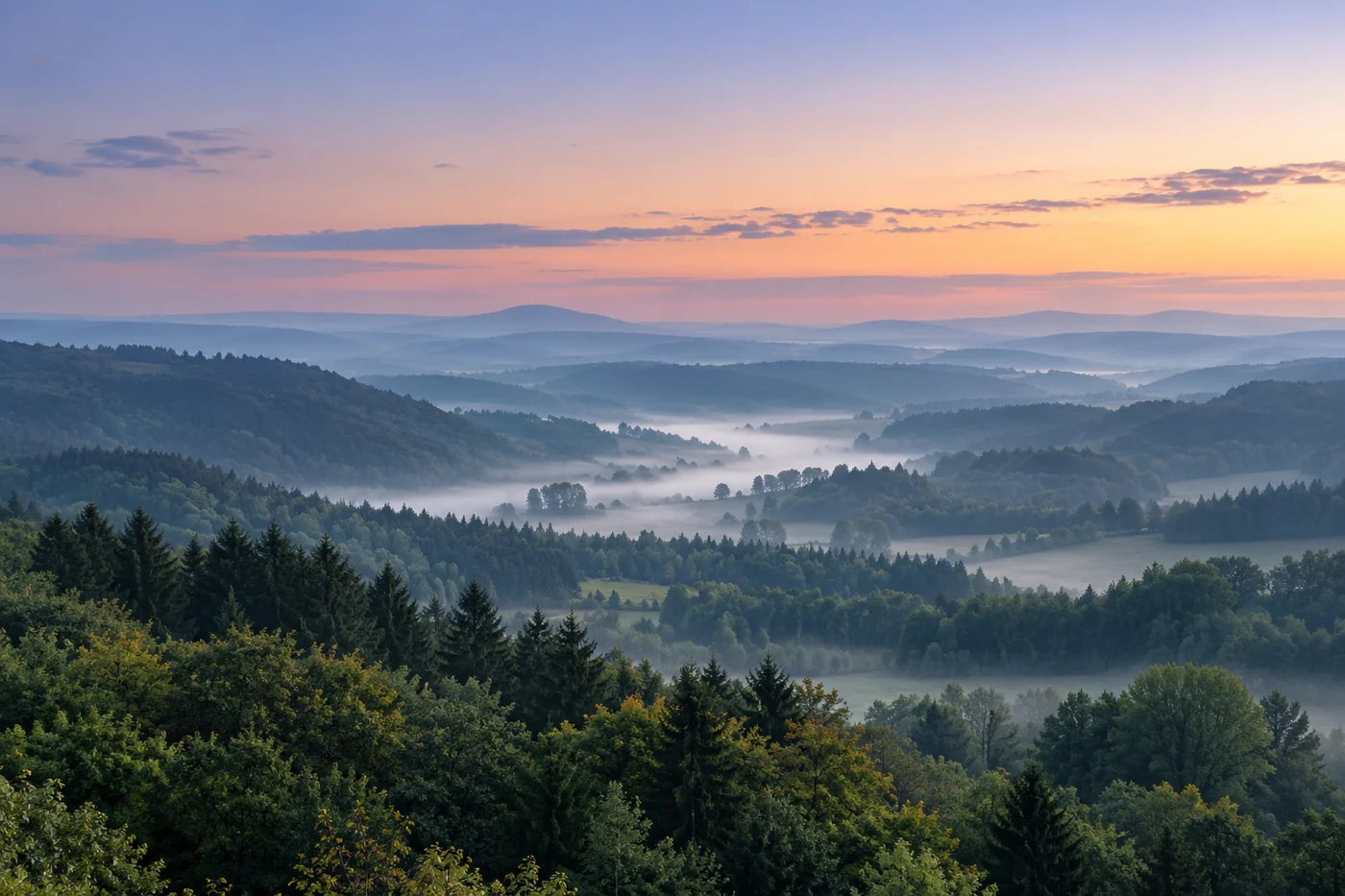
The landscape gives context; value depends on the selected land, its trees and access conditions.
Editorial illustration · not a depiction of an analysed propertyLook at the young trees too
CNPF documents browsing damage and ways to monitor the balance between woodland and game. Hunting receipts alone therefore cannot describe its economic effects on the forest.
During an accompanied visit, ask where sensitive planting and natural regeneration are located. Request dated observations, protection records, planned work and discussions between manager and hunters. Put known expenses in the renewal budget. Do not assign a financial loss to browsing from a few isolated photographs.
Check how different uses fit together
Your plans might include walking, maintenance, conservation or harvesting. Explain them to the seller and the professional handling the transaction. Ask how hunting dates, circulation and forestry operations are communicated and coordinated.
A track on a map does not establish that every activity or vehicle is permitted. Record answers by route and intended use. Understand practical coordination before assigning a recreational premium to the property.
Give the lease its proper place in a valuation
The lease is one part of the evidence alongside access, stands and other commitments. Do not convert rent into a price premium using an arbitrary multiplier. Have the agreement checked and compare coherent property situations.
WoodWorth can document selected parcels and their context. Interpreting the lease, its effect on transfer and the sustainability of income requires the actual documents and qualified advisers. The woodland returns guide helps separate those components.
COMMON QUESTIONS
A few things to clear up.
Does a lease automatically end when woodland is sold?
Do not assume so. Give the notaire the lease, amendments and property details to establish the consequences of the sale and any required steps.
Is there a national hunting rent per hectare?
An isolated figure does not describe a contract. Territory, rights, term, costs, facilities and actual payments are needed before comparing income.
Does the report include hunting income in the valuation?
The report does not certify rental income. Lease rights and amounts need separate verification and should not automatically be added to the property estimate.
Sources and dates
Figures retain their reference year. Worked examples are educational; property-specific amounts require verification.
- CNPF Grand Est — Chasse et équilibre forêt-gibierConsulté / Accessed 19 October 2026
- CNPF — Équilibre forêt-gibierConsulté / Accessed 19 October 2026
Sources accessed 19 October 2026. Independent sources; no partnership implied.
This guide provides documentary context. For a binding decision, have field, legal or insurance issues checked by the relevant professional.