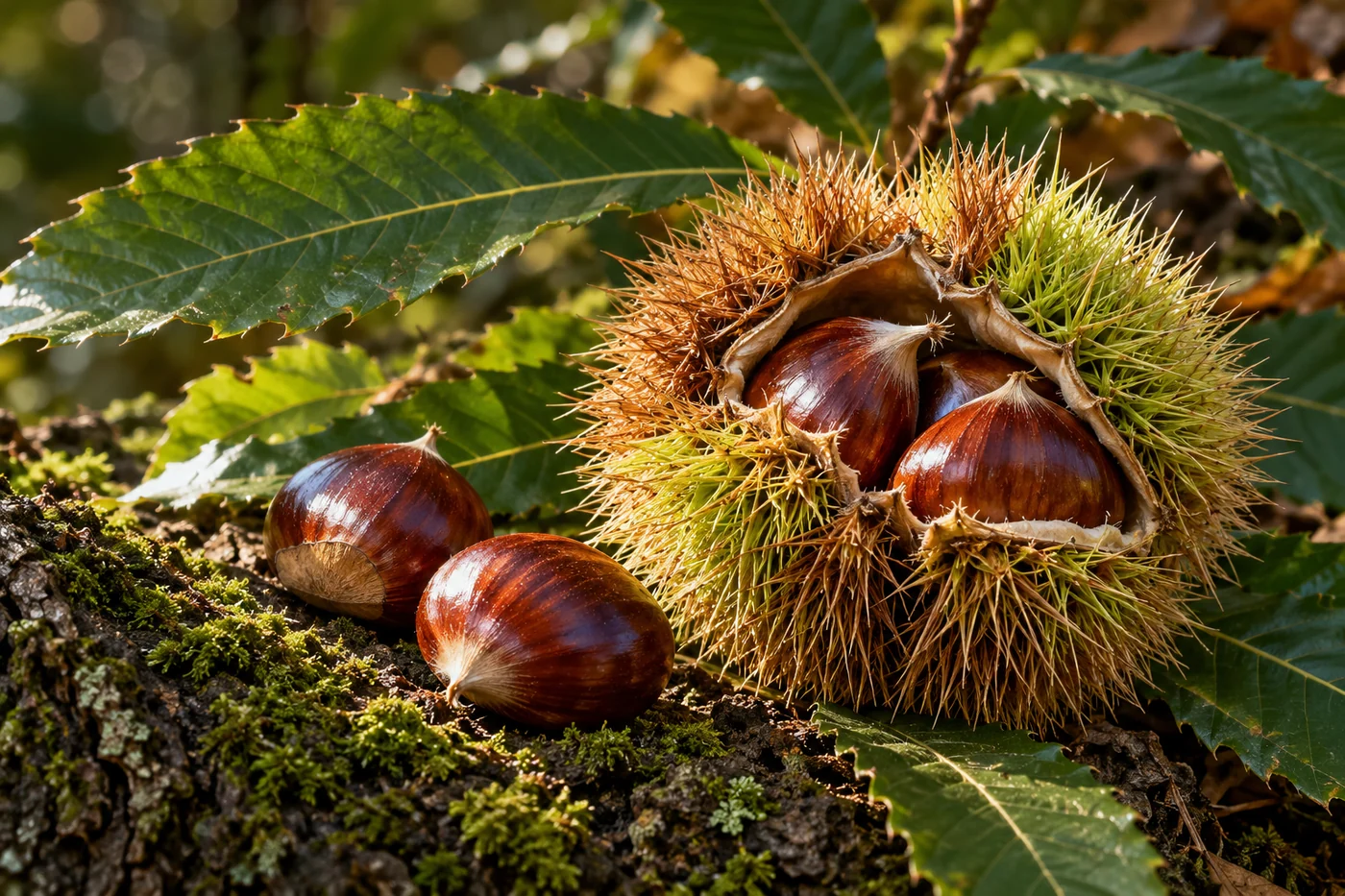
What makes this stand different
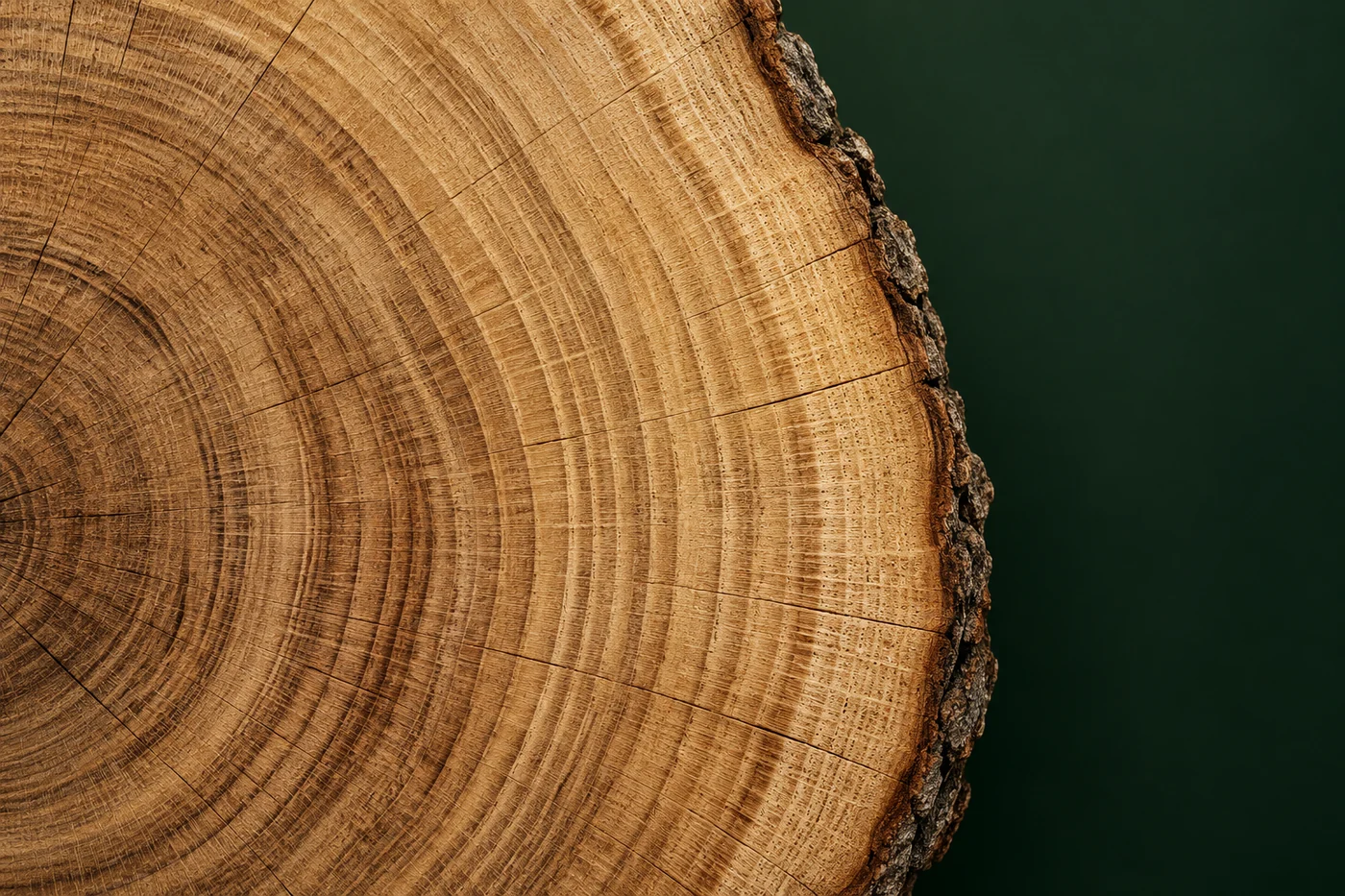
Ring shake is a major chestnut defect. Not every coppice can be improved: fertility, stem form and stool condition need examination. Ink disease can challenge the choice of chestnut as the main future species. CNPF Île-de-France Centre-Val de Loire · 2023-09 · CNPF · 2020-04
Questions that change the assessment
1. How old are the stems and stools, and how many rotations have occurred?
2. Are ring shake, canker or ink disease suspected?
3. Does the lot offer sawlogs, fencing, small timber or mainly fuelwood?
Documents to request before an offer
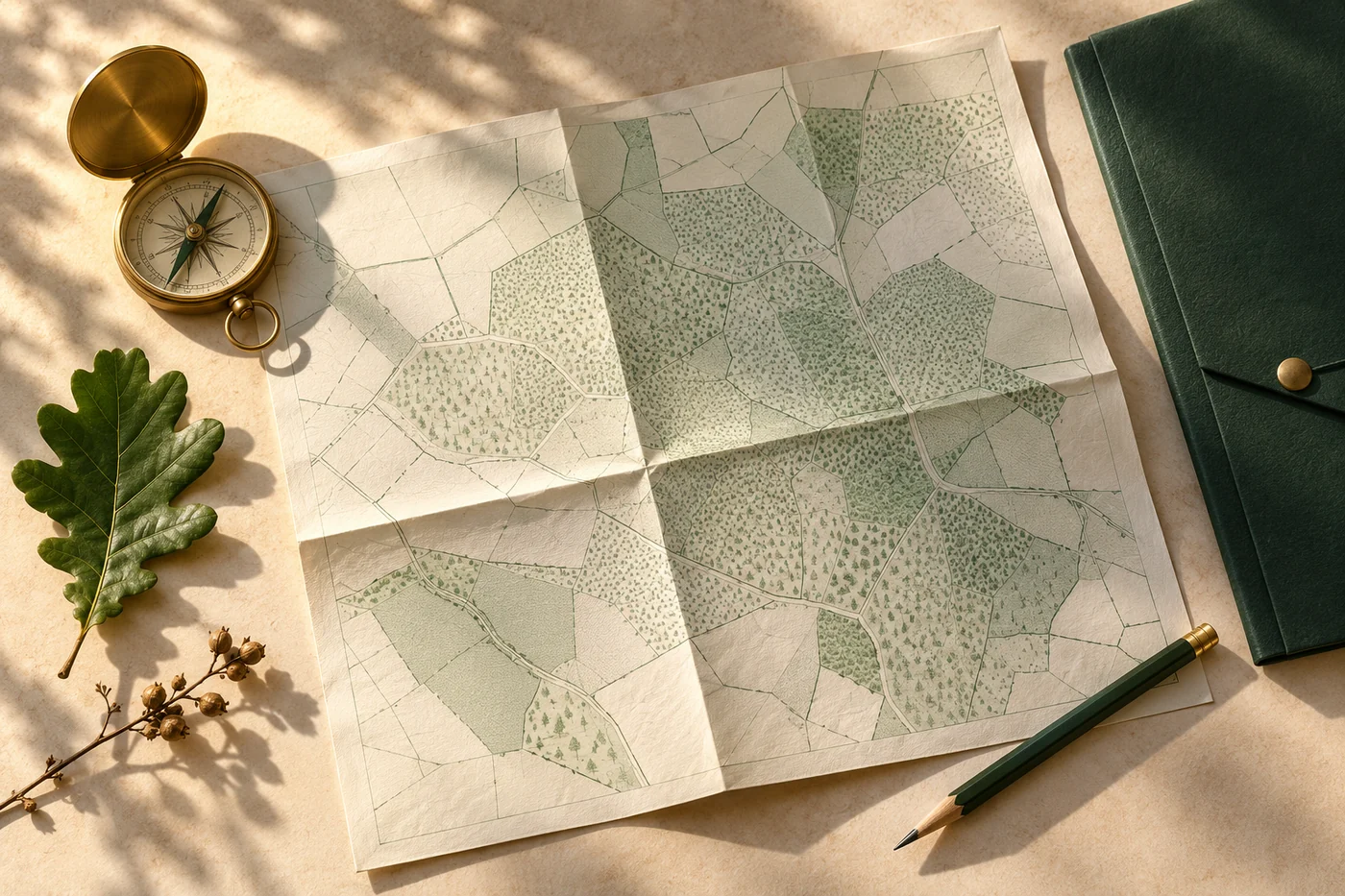
Coppice history; a health and fertility assessment; product grading and evidence of buyers. Request dated documents tied to the correct parcels. Aerial imagery shows canopy, not internal timber defects or legal access rights.
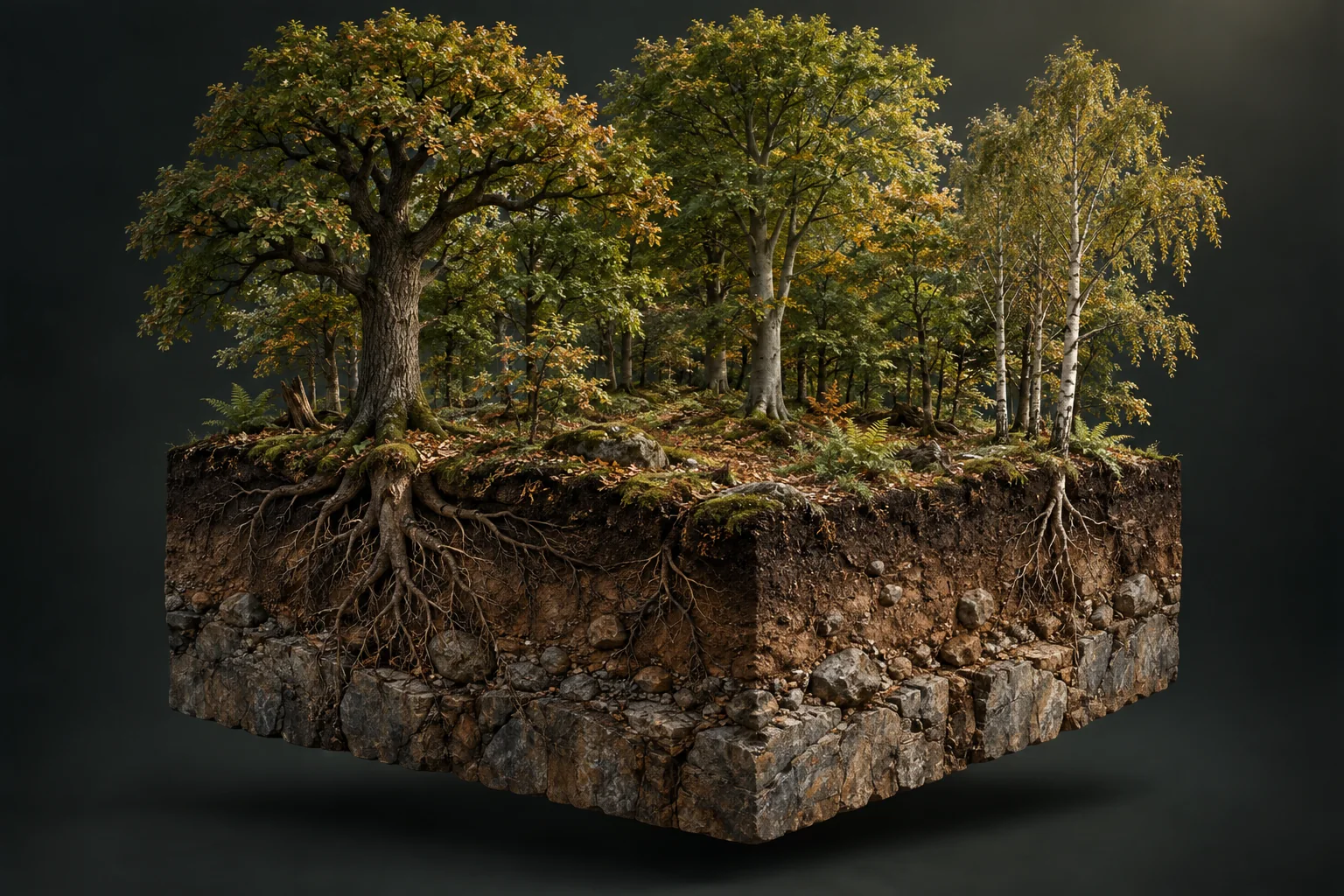
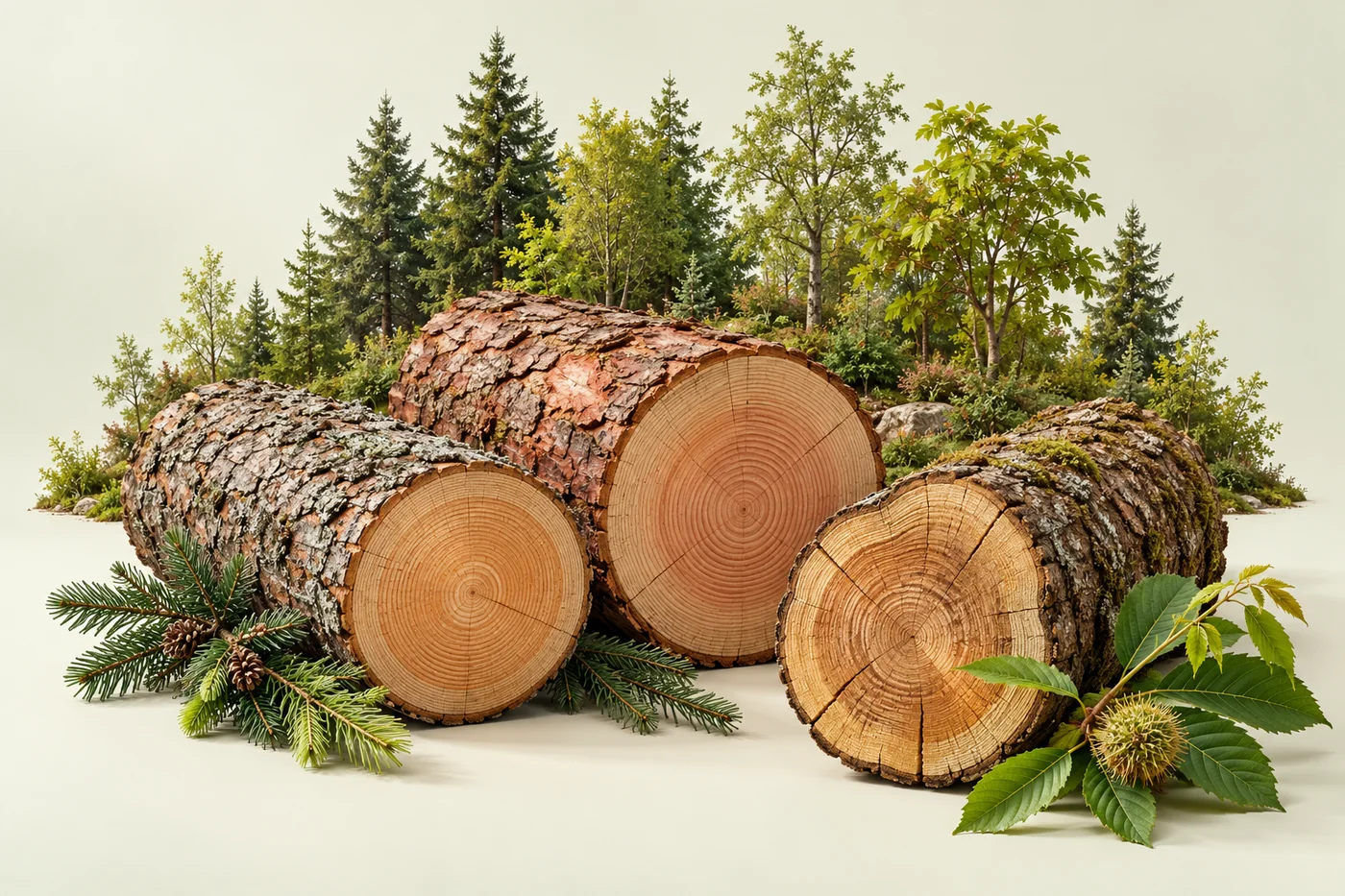
Species, ages and stand structure change how woodland is assessed. A visit helps compare hypotheses with the trees actually present.
Explanatory illustration · not a depiction of an analysed propertySame species, different property dossiers
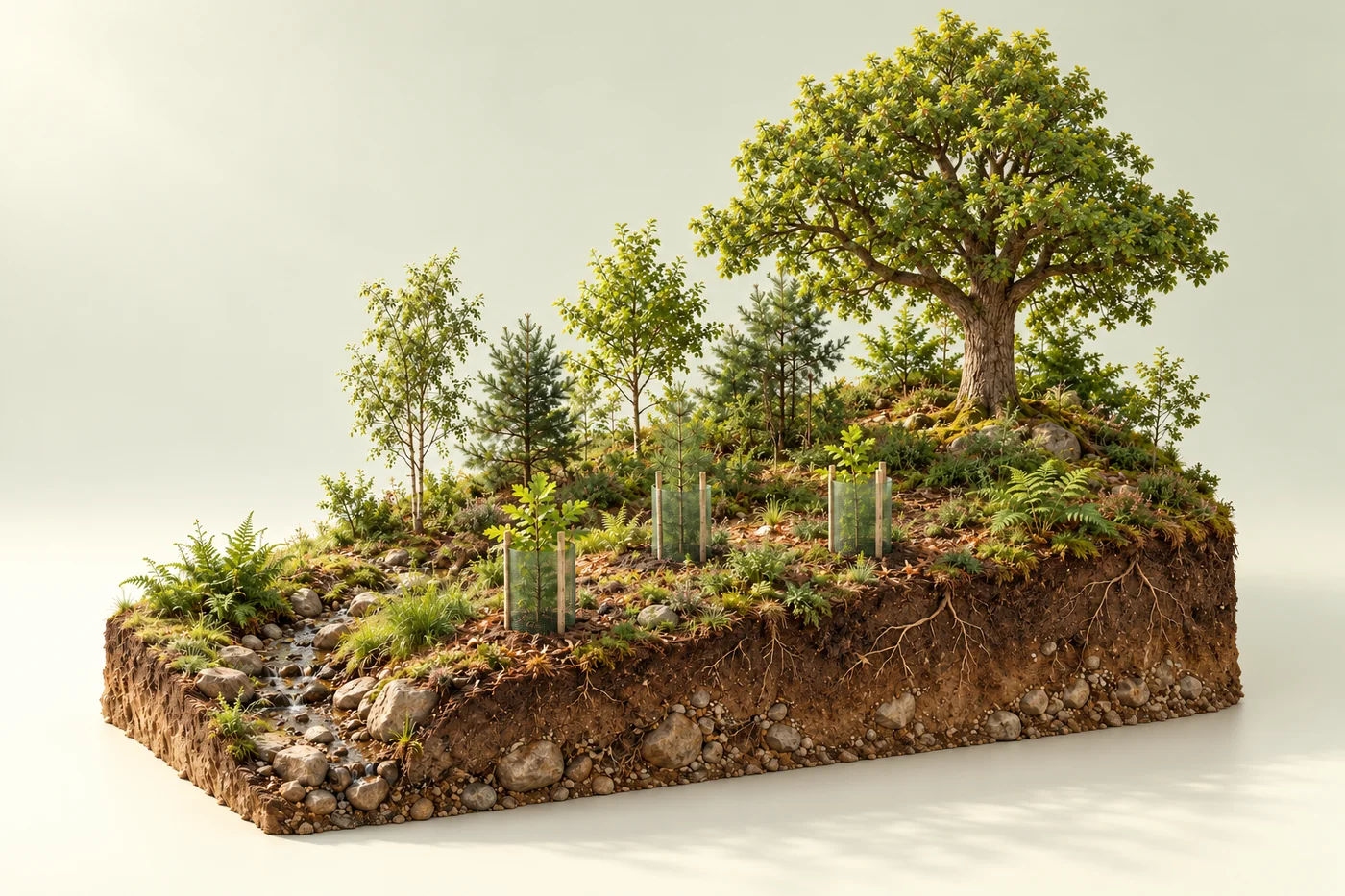
Prepare one line per area: coppice, high-forest trees, regeneration and non-wooded ground. Ask which products local buyers seek and what proportion a professional considers suitable for each market. “Chestnut” in a listing says too little about timber quality.
Request the recent harvesting history and outstanding works. If health or defects are uncertain, have the stand examined before incorporating a quality-timber claim in an offer. Harvest proceeds should remain separate from the price of the entire property.
From an average price to this property
An average describes completed sales, not the price of this woodland. Start with the actual scope, access, terrain, future works and comparable transactions. Explore national and departmental benchmarks. Standing timber prices in €/m³ concern a different market. When woodland sales include trees, do not add their value again.
Your first assessment with WoodWorth
Select parcels or draw only the portion that interests you. The report combines maps, canopy interpretation, market evidence and an explained valuation scenario. Explore a report based on real parcels. Guides and the map are free. Web report, PDF and field notebook free through 31 December 2026. No card, no subscription. Up to 20 parcels and 100 hectares per dossier. All analyses concern woodland in France.
COMMON QUESTIONS
A few things to clear up.
Can I multiply hectares by an average chestnut price?
That ignores stock, quality, non-wooded areas and site costs. It can produce a misleading figure; use comparable evidence and explicit assumptions.
Can imagery establish all timber quality?
No. Imagery shows apparent canopy, not internal defects, merchantable volumes or complete tree health. Appropriate inspection is still needed.
Sources and dates
Figures retain their reference year. Worked examples are educational; property-specific amounts require verification.
- CNPF Île-de-France Centre-Val de Loire — Le Châtaignier – Fiche Essence 22023-09
- CNPF — Itinéraires techniques du Châtaignier2020-04
Sources accessed 19 October 2026. Independent sources; no partnership implied.
This guide provides documentary context. For a binding decision, have field, legal or insurance issues checked by the relevant professional.