Define the lot before discussing the price
Start with a plan shared by the owner, forestry adviser and prospective buyers. Identify the parcels, retained trees, sensitive areas and proposed access. An agreement covering “the large trees at the back” leaves too much room for different interpretations.
Keep the observation date alongside the plan. A bid made before a storm, deterioration or neighbouring harvest needs its original context. Ask the professional how the lot is marked and which observations support the assessment.
What needs measuring on the trees
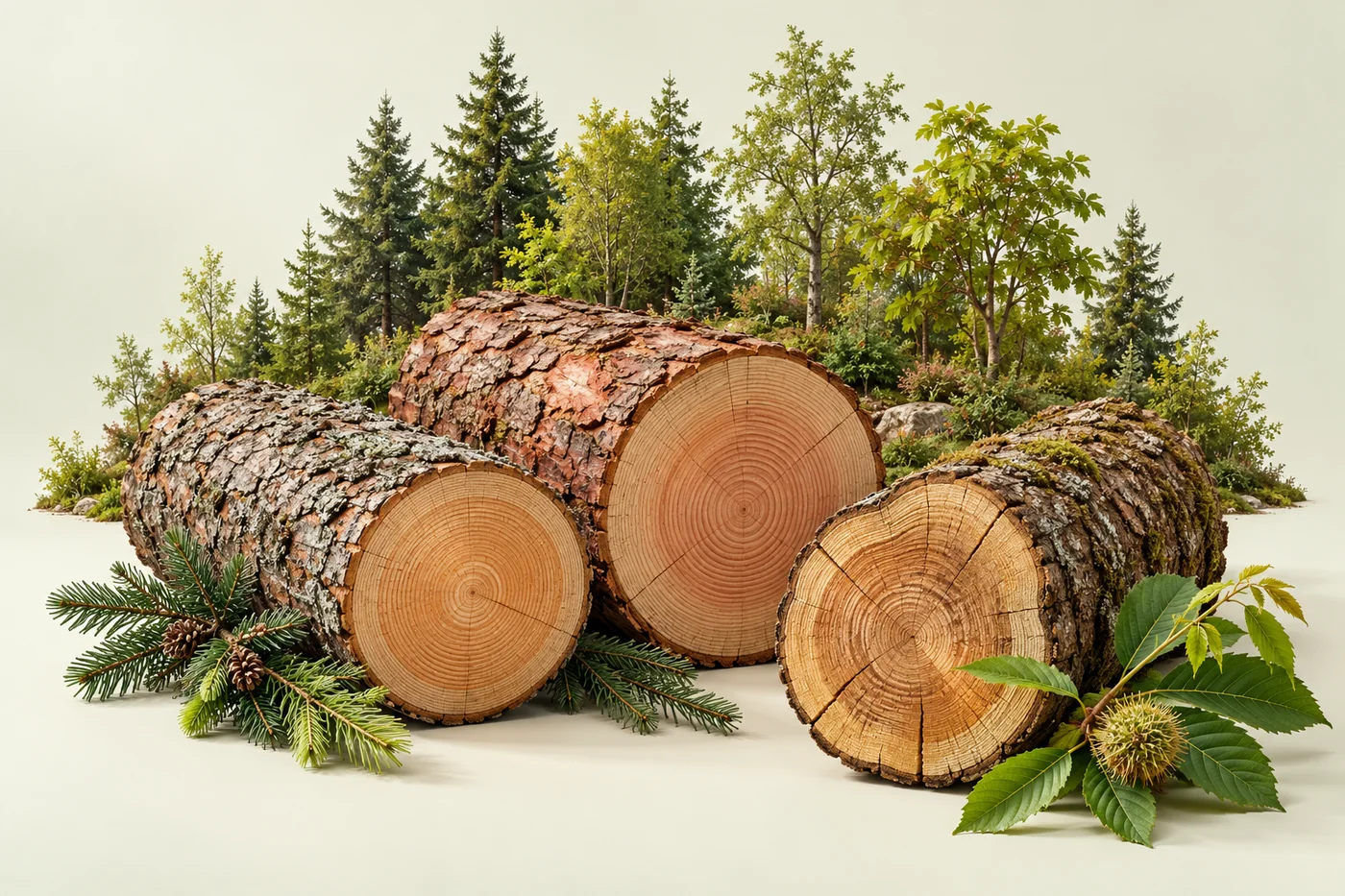
CNPF distinguishes standing-tree estimation from measuring felled timber. Volume alone describes neither quality nor end uses. A large crown seen from above cannot reveal enough about defects in the stem.
Request a record of identified species, the volume method, quality classes and inventory limitations. Establish whether the bid is a fixed amount for the whole lot or a unit price applied to accepted quantities. Those arrangements distribute uncertainty differently between the parties.
Put every bid on the same basis
| Check | Ask every prospective buyer |
|---|---|
| Scope | Which trees and products are included? |
| Price | Whole-lot amount or unit price? Tax included? |
| Operations | Who pays for felling, extraction, transport and repairs? |
| Timing | When do payment and harvesting take place? |
| Completion | Who checks boundaries and reinstatement? |
Get written answers before ranking the amounts. An empty cost line is not a zero: it is an unresolved issue that may change the net result.

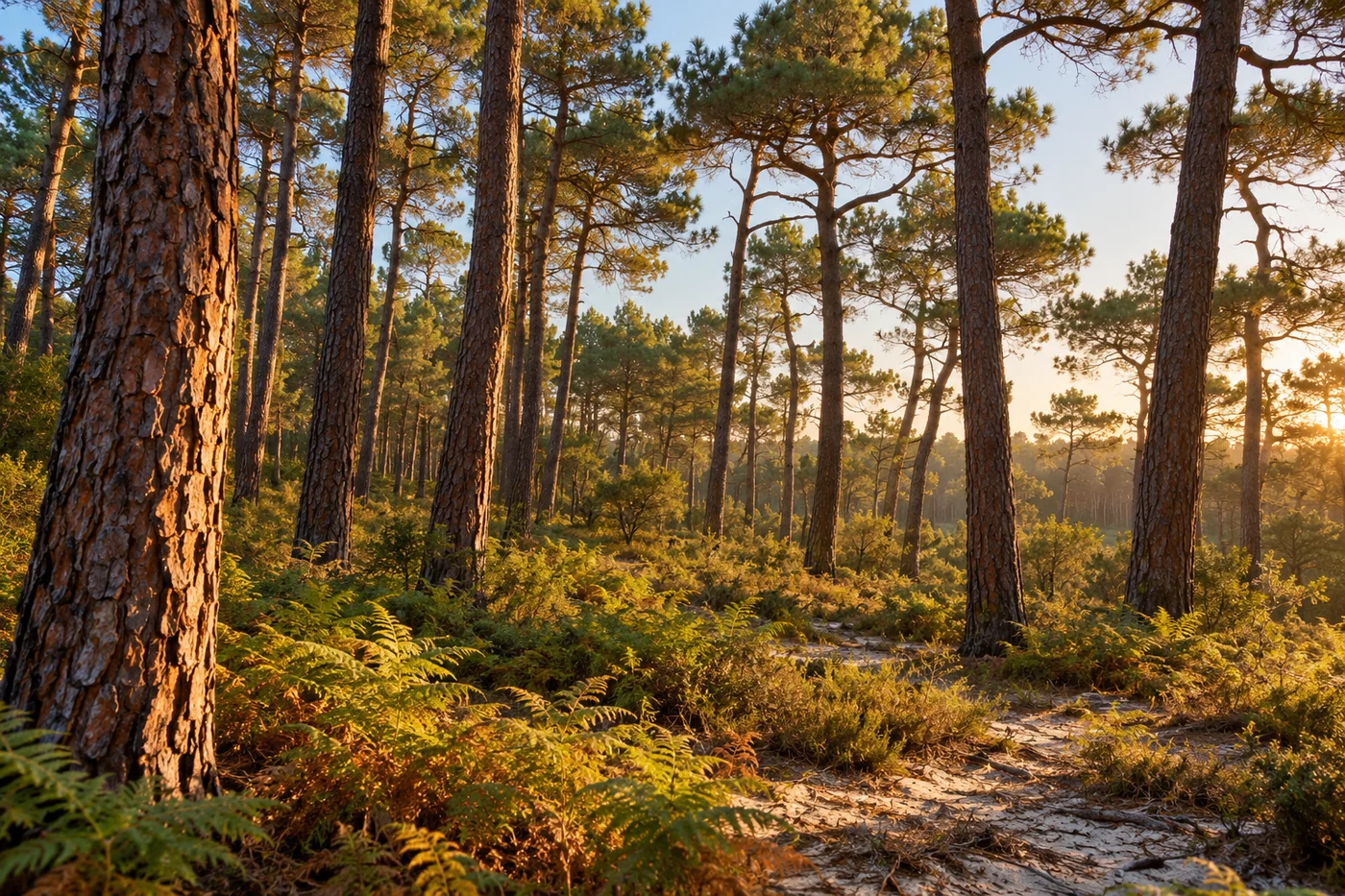
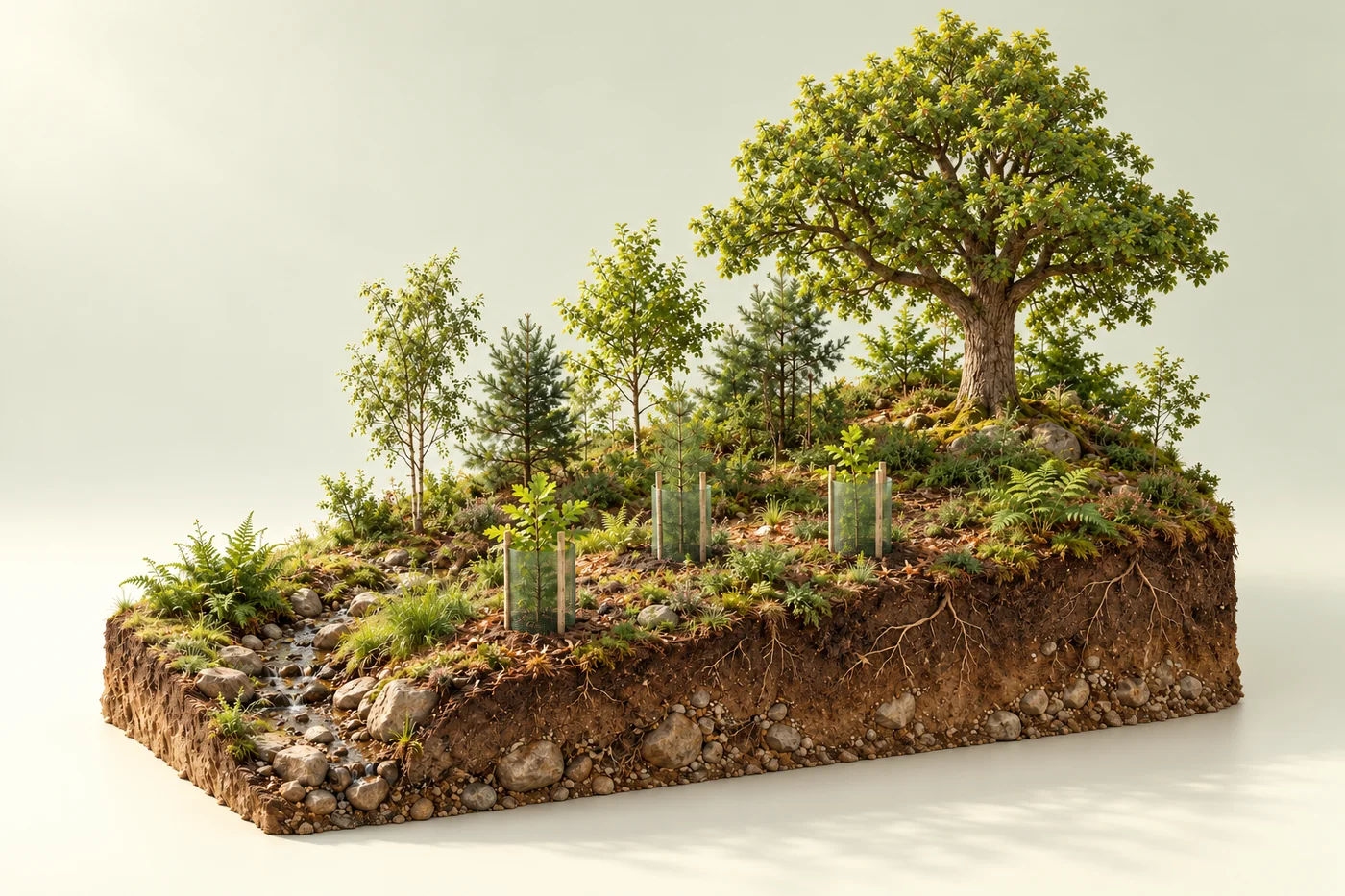
The landscape gives context; value depends on the selected land, its trees and access conditions.
Editorial illustration · not a depiction of an analysed propertyWhy a higher bid can leave less money
A hypothetical worked example: a €12,000 offer with €2,000 of specified costs payable by you leaves €10,000 before tax and other expenses. A €10,500 offer without those same costs may be preferable on that measure alone. These figures are not timber market prices.
The comparison is still incomplete if the trees, payment security or reinstatement differ. For a standing sale, do not deduct operations a second time when the buyer already bears them within its offer.
Connect working conditions to the contract
A slope, fragile road or distant stacking area raises practical questions. Ask how the contractor will address them, with what equipment and in which season. Identify structures needing protection and who records their initial condition.
CNPF recommends a contract addressing the lot, price and harvesting conditions. Have its provisions adapted to the actual site and sale. A downloaded template does not automatically establish permission to cross a neighbour’s land.
Plan the next stage and the remaining property value
Alongside expected proceeds, schedule the expenses that follow: reinstatement payable by you, regeneration monitoring and any renewal work. A replanting budget deserves its own quotation.
If the property may also be sold, ask for a before-and-after-harvest assessment. A comparable woodland sale that includes trees must not have their value added again. WoodWorth helps document the land context; a timber bid requires an appropriate assessment of the actual lot.
COMMON QUESTIONS
A few things to clear up.
Can an aerial photograph price a timber sale?
Imagery helps identify canopy and apparent access. It cannot establish merchantable volume, stem defects, quality or contract terms. Have the trees in the lot examined.
Must a buyer pay the published price per cubic metre?
No. Check species, tree size, year, region and sale method. A reference describes a sample of transactions, not a universal tariff.
Does selling timber mean selling the land?
They are different transactions. Record exactly what is sold and the rights needed for operations; selling trees should not be confused with selling the property.
Sources and dates
Figures retain their reference year. Worked examples are educational; property-specific amounts require verification.
- CNPF — Vente de boisConsulté / Accessed 19 October 2026
- CNPF Nouvelle-Aquitaine — Le prix des boisConsulté / Accessed 19 October 2026
Sources accessed 19 October 2026. Independent sources; no partnership implied.
This guide provides documentary context. For a binding decision, have field, legal or insurance issues checked by the relevant professional.